What is the most common size dumpster rental?
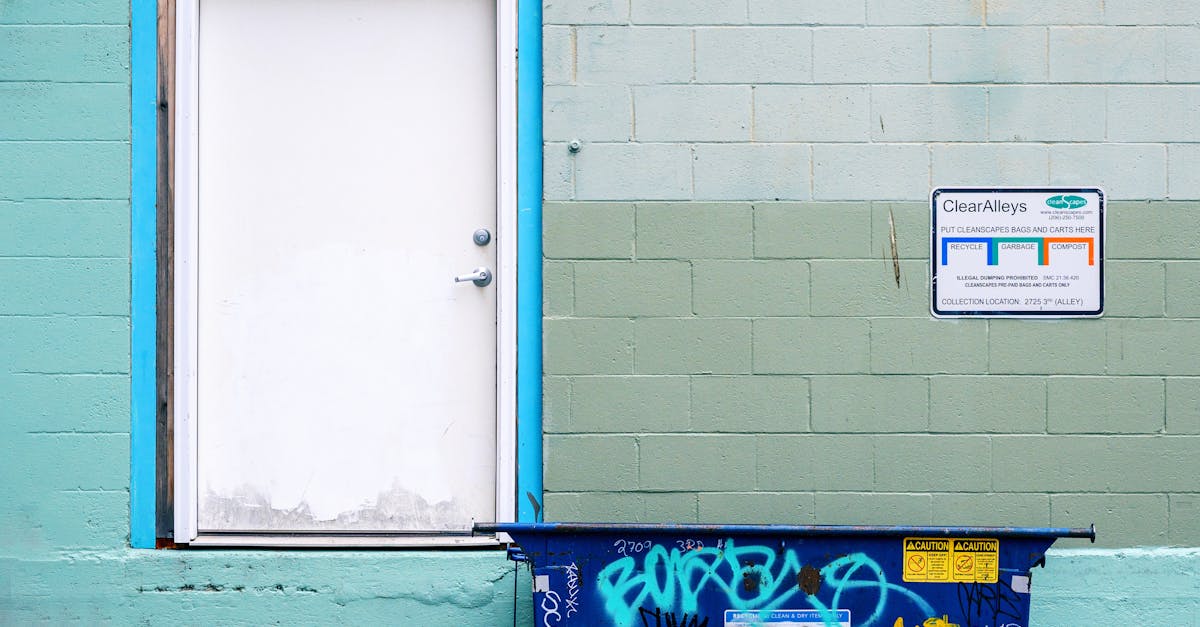
40Yard Dumpsters
These large containers are designed to handle significant volumes of waste, making them ideal for extensive projects. Construction sites, large remodels, and significant cleanout jobs frequently require the size and capacity of a 40-yard dumpster to accommodate debris efficiently.
When selecting a dumpster of this size, it's crucial to assess the nature of the materials being disposed of. Different projects may yield diverse types of waste, and knowing these specifics can help ensure that a 40-yard dumpster is the right fit. Understanding local regulations regarding disposal can also play a pivotal role in the decision-making process.
When to Consider a 40Yard Dumpster
A 40-yard dumpster is an ideal choice for large-scale projects that generate significant amounts of waste. These dumpsters are commonly used for major home renovations, commercial construction, and large events. The capacity allows for the disposal of heavy materials like concrete or roofing shingles, making them suitable for various construction debris.
This size is also beneficial for industrial waste removal and during extensive cleanouts, such as estate sales or foreclosures. Planning a renovation or a significant landscaping project usually entails a variety of materials that accumulate quickly. Selecting a 40-yard dumpster ensures ample space for all types of waste, minimizing the need for multiple trips and optimizing project efficiency.
Factors Influencing Dumpster Size Selection
Selecting the appropriate dumpster size requires careful consideration of several factors. The nature of the project significantly impacts the decision. For instance, a home renovation may generate more debris than a basic cleanout. Different materials have distinct volume requirements, influencing the size you might need. Understanding the types of waste generated can guide you towards choosing a dumpster that accommodates your needs without being excessively oversized.
Space availability at your location also plays a crucial role in determining the right dumpster size. In tight urban areas, larger dumpsters may not be practical due to space constraints. Additionally, the duration of your project affects your choice; longer projects might benefit from a larger capacity to avoid frequent swaps. Being aware of these variables helps streamline the selection process, ensuring you opt for a size that suits both your project’s requirements and your available space.
Project Scope and Waste Type
The size of a dumpster greatly depends on the project at hand. For small home renovations or yard cleanups, a 10 to 20-yard dumpster often suffices. Conversely, larger projects like commercial renovations or major landscaping tasks typically necessitate 30 to 40-yard dumpsters. The specific type of waste also plays a role; lightweight materials such as leaves and debris allow for more waste per cubic yard compared to heavier materials like concrete or metal.
Different types of waste can impact disposal regulations and options. Certain materials, such as hazardous waste, may require specialized dumpsters. Understanding the scope of the project and the nature of the waste helps in selecting the ideal size. This knowledge can lead to a smoother rental experience and ensure that the chosen dumpster meets the project's needs effectively.
Cost Considerations for Different Sizes
When renting a dumpster, the cost is a crucial element that varies significantly depending on the size chosen. Larger dumpsters generally come with higher rental fees due to their increased capacity. Additionally, the weight limit included in the rental price can also differ, impacting total costs if excessive waste is disposed of beyond that limit. Understanding these financial implications helps clients make informed decisions about which size aligns best with their budget.
Extra fees might arise based on the type of waste being disposed of. Certain materials, like heavy debris or hazardous waste, can lead to increased disposal charges that add to the overall cost. Therefore, researching potential fees in advance allows for better budgeting and helps avoid unexpected expenses. This consideration enables individuals and businesses to assess their waste disposal needs in tandem with their financial constraints.
Budgeting for Your Dumpster Rental
When planning for a dumpster rental, it's crucial to consider how the size of the dumpster directly affects overall costs. Smaller dumpsters typically cost less, making them an attractive option for tight budgets. However, if a project generates more waste than expected, opting for a larger dumpster may save time and added fees incurred from requiring multiple pickups. Understanding the quantity of waste will help in making an informed decision that aligns with financial constraints.
In addition to the size, rental duration can significantly influence expenses. Most companies charge a flat fee for a standard rental period, often one week. Extending the rental period may incur additional charges and should be factored into the budget. It's advisable to account for potential extra costs associated with the disposal of specific materials, as fees can vary based on the type of waste. Having a clear budget in place will ensure that the chosen dumpster aligns with both the project's needs and available resources.
FAQS
What is the most common size for a dumpster rental?
The most common size for a dumpster rental is typically a 10 or 20-yard dumpster, as they are versatile and suitable for a variety of residential and commercial projects.
How do I determine the right dumpster size for my project?
To determine the right dumpster size, consider the scope of your project and the type of waste you will be disposing of. Estimating the volume of waste and consulting with a rental service can also help guide your decision.
Can I rent a dumpster for a small home renovation?
Yes, you can rent a dumpster for small home renovations. A 10 or 15-yard dumpster is often sufficient for smaller projects like bathroom remodels or garage cleanouts.
What factors influence the cost of dumpster rental?
The cost of dumpster rental can be influenced by factors such as the size of the dumpster, the type of waste being disposed of, the rental duration, and your location.
Do I need a permit to rent a dumpster?
Whether you need a permit to rent a dumpster depends on local regulations and where you plan to place the dumpster. It is advisable to check with your local municipality or the rental service for specific requirements.